

341 West Iowa Avenue, Nampa 83686

Dental Bridges
Dental Bridges
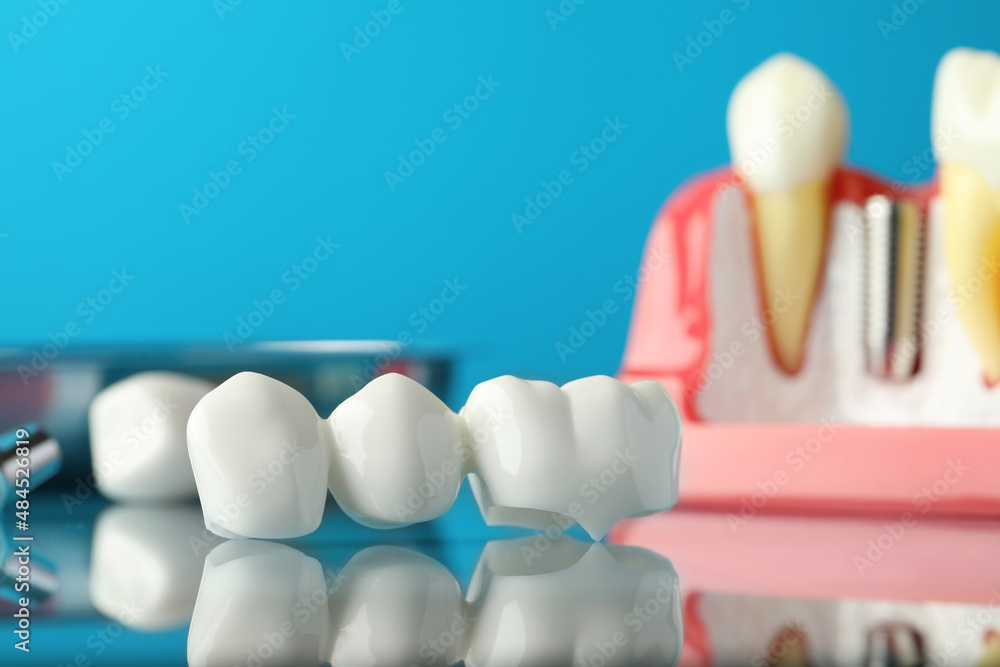
A dental bridge is a type of dental restoration used to replace one or more missing teeth. It consists of an artificial tooth or teeth (pontics) that are anchored to the adjacent natural teeth (abutment teeth) on either side of the gap. Dental bridges can be made from a variety of materials, including porcelain, metal, or a combination of the two. They are an effective and durable solution for restoring the function and appearance of missing teeth, and can also help prevent shifting of the remaining teeth in the mouth.
Do you need bridges?
The need for a dental bridge procedure typically arises when you have one or more missing teeth. If you have any of the following symptoms listed below, consider giving us a visit.
Symptons
-

Difficulty chewing or speaking
-
Tooth pain or sensitivity
-
Bone loss or gum recession
-
Changes in bite or jaw alignment
What to expect for your dental bridge
The bridge procedure is a straight forward and painless treatment that will make a huge difference in your dental health.
-
Your dentist will evaluate your oral health, take X-rays and impressions of your teeth, and discuss your treatment options with you.
-
The abutment teeth on either side of the gap are prepared by removing a portion of the enamel to allow for placement of the bridge.
-
An impression is made of your teeth to create a model of your mouth that will be used to create the dental bridge.
-
A temporary bridge may be placed to protect your prepared teeth while your permanent bridge is being created.
-
A dental laboratory will use the impression of your teeth to create a custom bridge that matches the shape and color of your natural teeth.
-
Once the bridge is complete, your dentist will check the fit and adjust the bridge as needed to ensure a comfortable fit.
The bridge is then cemented in place using a dental adhesive, creating a permanent restoration that is fixed in your mouth.
-
Your dentist will provide instructions on how to care for your new bridge, including brushing and flossing techniques and follow-up appointments to monitor your oral health.